



Our story
Delivering reproductive choice to women and girls since 1976
This is the story of how a single clinic in London turned into a global partnership across 37 countries, delivering reproductive healthcare that transforms women’s lives.
In 1976, MSI was founded to support women to pursue their own futures, on their terms, with access to high-quality, client-centred contraception and abortion care. That’s what we continue to deliver today.

Rewind to the ‘70s
Our story starts with three reproductive health pioneers: Tim Black CBE, Jean Black and Phil Harvey. Tim realised the transformational power of reproductive healthcare during his extensive medical studies and by delivering healthcare first-hand in places like New Guinea. Tim and Phil met during their master’s degree, found this shared passion, and set their sights on bringing reproductive choice to the world.
Rewind to the ‘70s
Our story starts with three reproductive health pioneers: Tim Black CBE, Jean Black and Phil Harvey. Tim realised the transformational power of reproductive healthcare during his extensive medical studies and by delivering healthcare first-hand in places like New Guinea. Tim and Phil met during their master’s degree, found this shared passion, and set their sights on bringing reproductive choice to the world.

Leasing the London clinic
Upon his return to London, Tim learnt that the historic central London building that held the Marie Stopes Mothers’ Clinic was closing. This clinic opened in 1925 — facing opposition from a male-dominated medical workforce and the Catholic church — to offer women advice and contraception. Tim, with his wife Jean and friend Phil, bought the building lease in 1976 and started the organisation we are today.
Leasing the London clinic
Upon his return to London, Tim learnt that the historic central London building that held the Marie Stopes Mothers’ Clinic was closing. This clinic opened in 1925 — facing opposition from a male-dominated medical workforce and the Catholic church — to offer women advice and contraception. Tim, with his wife Jean and friend Phil, bought the building lease in 1976 and started the organisation we are today.

MSI began as Marie Stopes International
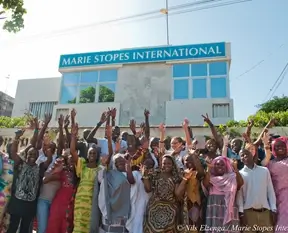
Our founders chose to recognise the origins of that first clinic, while setting their sights on expanding this life-saving healthcare internationally: they called the organisation Marie Stopes International (we would later become MSI Reproductive Choices).
MSI began as Marie Stopes International
Our founders chose to recognise the origins of that first clinic, while setting their sights on expanding this life-saving healthcare internationally: they called the organisation Marie Stopes International (we would later become MSI Reproductive Choices).

Not your average charity
From the UK to Uganda, MSI has always stood out from the crowd by being a ‘social business’, using a hybrid operating model that draws inspiration from both the non-profit and commercial worlds. We have evolved over time as we’ve gained expertise and data, and listened to our frontline teams and clients, allowing us to iterate our services and achieve the greatest impact.
Not your average charity
From the UK to Uganda, MSI has always stood out from the crowd by being a ‘social business’, using a hybrid operating model that draws inspiration from both the non-profit and commercial worlds. We have evolved over time as we’ve gained expertise and data, and listened to our frontline teams and clients, allowing us to iterate our services and achieve the greatest impact.

The partnership grows
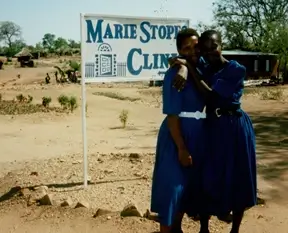
Among the first countries to set up MSI programmes responding to their local needs and challenges were Sri Lanka in 1983 and Kenya in 1986. Reproductive healthcare pioneers around the globe followed suit, including Dr Mohsina Bilgrami in Pakistan (who continues to serve MSI as a Board member to this day). In 1991, she set up an MSI programme from the guest room of her house — expanding over time to serve millions. Today, MSI is made up of almost 9000 team members who are rooted in the communities they serve, from major cities to rural villages.
The partnership grows
Among the first countries to set up MSI programmes responding to their local needs and challenges were Sri Lanka in 1983 and Kenya in 1986. Reproductive healthcare pioneers around the globe followed suit, including Dr Mohsina Bilgrami in Pakistan (who continues to serve MSI as a Board member to this day). In 1991, she set up an MSI programme from the guest room of her house — expanding over time to serve millions. Today, MSI is made up of almost 9000 team members who are rooted in the communities they serve, from major cities to rural villages.

Expanding our reach globally
Since 1976, we’ve expanded to 37 countries across six continents. Funding partnerships and investment have enabled our reach to grow dramatically, and with it, the number of women we’ve reached with these life-changing services. Over 200 million people have been supported by MSI with the choices that are right for them and their futures.
Expanding our reach globally
Since 1976, we’ve expanded to 37 countries across six continents. Funding partnerships and investment have enabled our reach to grow dramatically, and with it, the number of women we’ve reached with these life-changing services. Over 200 million people have been supported by MSI with the choices that are right for them and their futures.

Time for a refresh: MSI Reproductive Choices
From 1976 to 2020, we were known as Marie Stopes International. Today, the legacy of the woman Marie Stopes is entangled with her views on eugenics: opinions which are in stark contrast to our values and principles. So, in 2020, we changed our name to MSI Reproductive Choices to reflect our fundamental focus on choice.
Time for a refresh: MSI Reproductive Choices
From 1976 to 2020, we were known as Marie Stopes International. Today, the legacy of the woman Marie Stopes is entangled with her views on eugenics: opinions which are in stark contrast to our values and principles. So, in 2020, we changed our name to MSI Reproductive Choices to reflect our fundamental focus on choice.

Elevating diversity, equality and inclusion
Diversity, equality and inclusion have made MSI stronger, and have become a central part of our strategy and culture. We have committed to a bespoke DEI strategy with key metrics, and introduced a panel to keep us accountable. With women making up 46% of our leadership and over 95% of our programmes led by people from the same nation or region, we’re making great strides already.
Elevating diversity, equality and inclusion
Diversity, equality and inclusion have made MSI stronger, and have become a central part of our strategy and culture. We have committed to a bespoke DEI strategy with key metrics, and introduced a panel to keep us accountable. With women making up 46% of our leadership and over 95% of our programmes led by people from the same nation or region, we’re making great strides already.

Partnerships and health systems
With almost 50 years of experience, data and expertise behind us in reaching people with reproductive healthcare, we’re well-placed to partner with governments to strengthen health systems. By providing training, support and quality assurance to the public sector through these partnerships, we’re supporting countries to build quality reproductive healthcare and make sure they’re available for the long-term. And by working hand-in-hand with local, grassroots partners, we help build a wider eco-system that supports reproductive choice.
Partnerships and health systems
With almost 50 years of experience, data and expertise behind us in reaching people with reproductive healthcare, we’re well-placed to partner with governments to strengthen health systems. By providing training, support and quality assurance to the public sector through these partnerships, we’re supporting countries to build quality reproductive healthcare and make sure they’re available for the long-term. And by working hand-in-hand with local, grassroots partners, we help build a wider eco-system that supports reproductive choice.

Now
MSI Reproductive Choices now works across 37 countries serving over 93,000 women and girls every day with contraception, abortion, and post-abortion care. Our role today is to continue leading the way in expanding access to these services, so everyone is free to make decisions about their body, health and future.
Now
MSI Reproductive Choices now works across 37 countries serving over 93,000 women and girls every day with contraception, abortion, and post-abortion care. Our role today is to continue leading the way in expanding access to these services, so everyone is free to make decisions about their body, health and future.

2030 and beyond
By 2030, no abortion will be unsafe and every individual who wants access to contraception will have it. That’s the vision. And we’re committed to making it happen.
2030 and beyond
By 2030, no abortion will be unsafe and every individual who wants access to contraception will have it. That’s the vision. And we’re committed to making it happen.
There’s still work to do
We won’t stop until everyone has reproductive choice.
We can’t forget the 257 million women around the world who want to avoid pregnancy but still have no access to contraception. Because of this lack of contraceptive access, coupled with restrictive abortion laws, more than 35 million will turn to unsafe abortion this year. 22,000 of these women will die and 9 million will face complications including life-long injuries.
The knock-on effect is colossal. We’re talking about hundreds of millions of women whose choices in life are restricted. Without the freedom to access their choice of reproductive healthcare, they cannot determine their futures on their own terms.
With partnership and support, we can expand these life-changing and life-saving services to the remotest communities around the world to reach those who need them most.
Our story continues
The full story of MSI — a global healthcare organisation that has grown and evolved over a half century — can’t be told on a page. Read more on our key priorities, our strategy, and our latest news and insights. And find out how you can help.
MSI 2030
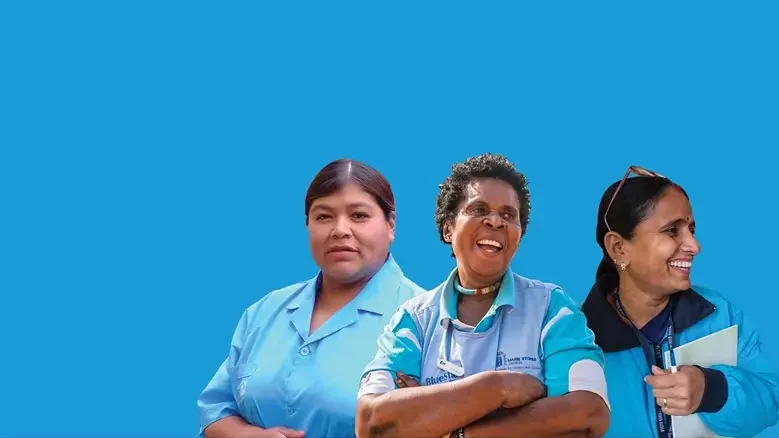
Our MSI 2030 strategy commits us to confront challenges with courage and innovation, and to close the gap — so that no one is left behind.
What we do
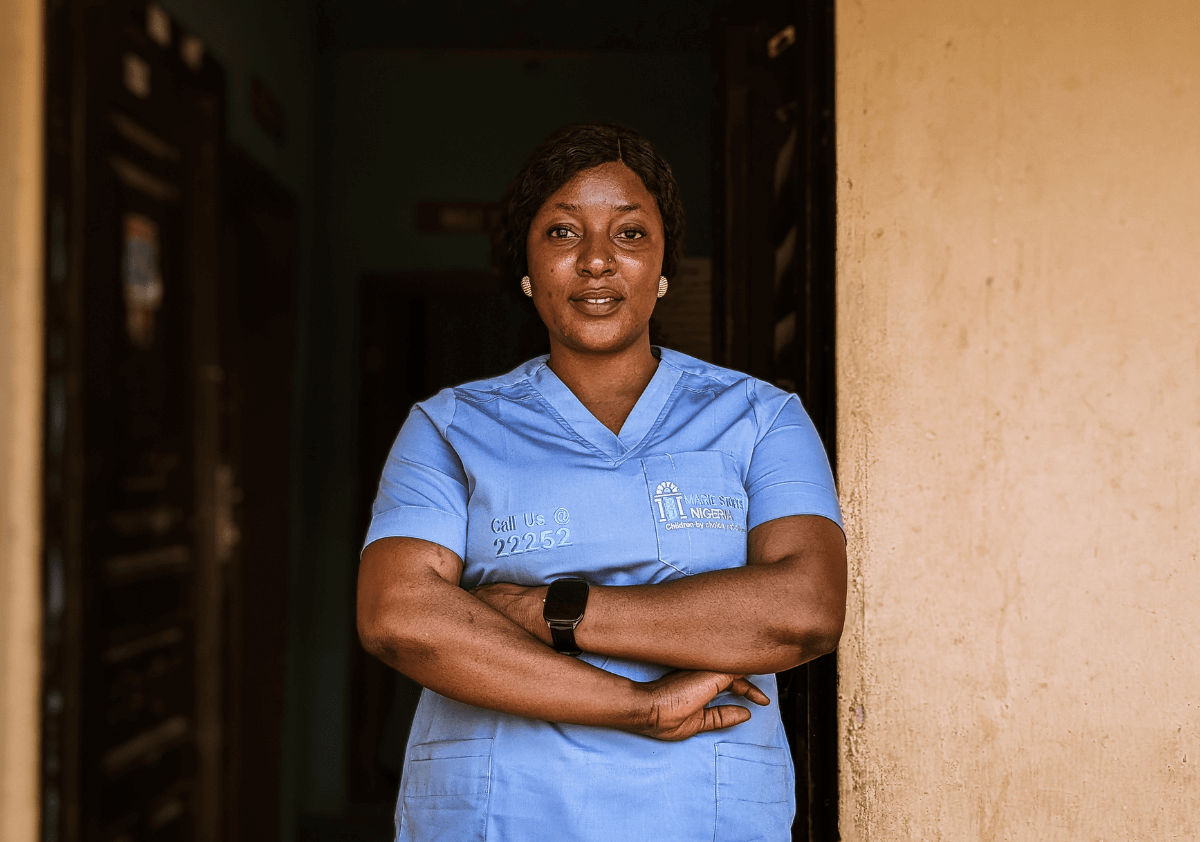
Read more about our services and focus areas, like supporting adolescents, strengthening health systems, and advancing gender equality.
Latest
Find the latest news and opinion pieces, read frontline stories from our clients and providers, and find our recent research and reports.

Get involved
Your support will help us provide life-changing reproductive choices. Help defend every woman’s right to control her body, her choice, her future.